
Top 5 AI and ML Hacks to Ultra-Optimize Supply Chain Transportation Operations
In the fast-paced world of logistics, third-party logistics (3PL) providers are constantly seeking innovative ways to enhance efficiency, reduce costs, and improve overall service quality. The integration of Artificial Intelligence (AI) and Machine Learning (ML) into transportation operations is revolutionizing the industry. This blog post delves into the top five AI and ML optimization hacks that can ultra-optimize transportation operations for 3PLs. The logistics industry is undergoing a significant transformation, driven by advancements in AI and ML technologies. These technologies offer 3PL providers an unprecedented opportunity to optimize their transportation operations, resulting in improved efficiency, cost savings, and enhanced customer satisfaction. From predictive analytics and dynamic routing to autonomous vehicles and predictive maintenance, AI and ML are the catalysts for a smarter, more efficient logistics ecosystem.
Hack 1: Predictive Analytics for Demand Forecasting
Predictive analytics leverages historical data and sophisticated algorithms to forecast future demand accurately. By analyzing patterns and trends, 3PLs can predict demand fluctuations and optimize their operations accordingly. Benefits
- Improved Inventory Management: Accurate demand forecasting helps 3PLs maintain optimal inventory levels, reducing the risk of overstocking or stockouts.
- Optimized Fleet Utilization: By anticipating demand, 3PLs can efficiently allocate their fleet, ensuring that vehicles are neither underutilized nor overburdened.
- Enhanced Customer Satisfaction: Meeting customer demand promptly leads to higher satisfaction and loyalty. Real-World Example Amazon, a leader in logistics innovation, uses predictive analytics to forecast demand and optimize its inventory across multiple warehouses. This helps Amazon maintain high service levels while minimizing costs. How DeepFabric Can Help DeepFabric’s AI-driven analytics platform can help 3PLs by integrating vast amounts of historical and real-time data from various sources to generate accurate demand forecasts. Using machine learning algorithms, DeepFabric can identify patterns and trends in the data, enabling 3PLs to:
- Optimize Inventory Levels: By predicting demand accurately, 3PLs can ensure they have the right amount of stock at the right time.
- Improve Fleet Management: Allocate resources more efficiently based on anticipated demand spikes or lulls.
- Increase Customer Satisfaction: Ensure timely availability of goods, reducing the risk of stockouts or overstocking. 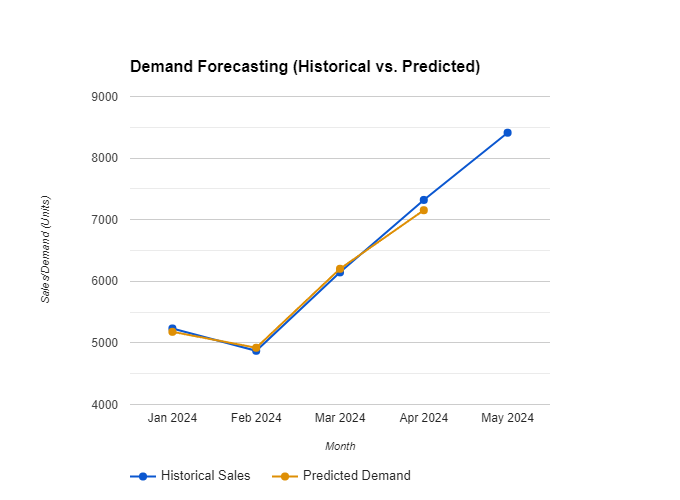
Hack 2: Dynamic Routing and Scheduling
Dynamic routing and scheduling involve using AI-driven systems to adapt routes and schedules in real-time based on changing conditions such as traffic, weather, and delivery windows. Benefits
- Increased Efficiency: Optimized routes reduce travel time and fuel consumption, leading to cost savings.
- Timely Deliveries: Real-time adjustments ensure that deliveries are made on time, even in the face of unforeseen disruptions.
- Reduced Environmental Impact: Efficient routing minimizes fuel consumption, reducing the carbon footprint of transportation operations. Real-World Example UPS has implemented an AI-based dynamic routing system called ORION (On-Road Integrated Optimization and Navigation). ORION analyzes data points such as traffic and weather to determine the most efficient delivery routes, saving the company millions of miles and gallons of fuel annually. How DeepFabric Can Help DeepFabric’s routing and scheduling solutions utilize AI to analyze real-time data and optimize delivery routes. By integrating with GPS systems, traffic data, and weather forecasts, DeepFabric can:
- Enhance Route Efficiency: Provide drivers with the most efficient routes, minimizing travel time and fuel consumption.
- Ensure Timely Deliveries: Adapt to changing conditions on the fly, ensuring that deliveries are made on schedule.
- Reduce Environmental Impact: Optimize routes to reduce fuel usage and emissions, supporting sustainability goals. 
Hack 3: Autonomous and Semi-Autonomous Vehicles
The deployment of autonomous and semi-autonomous vehicles in logistics is transforming transportation operations. These vehicles, equipped with AI technology, can handle specific routes or segments of the transportation network with minimal human intervention. Benefits
- Labor Cost Savings: Autonomous vehicles reduce the need for human drivers, leading to significant labor cost savings.
- Enhanced Safety: AI-driven vehicles can operate with greater precision and safety, reducing the risk of accidents caused by human error.
- Operational Efficiency: Autonomous vehicles can operate around the clock without the need for breaks, increasing overall efficiency. Real-World Example Waymo, a subsidiary of Alphabet Inc., is testing autonomous trucks for freight delivery. These trucks are equipped with advanced AI systems that enable them to navigate complex road conditions safely and efficiently. How DeepFabric Can Help While DeepFabric may not directly provide autonomous vehicle technology, it can integrate with autonomous systems to enhance their capabilities. DeepFabric can:
- Coordinate Autonomous Fleets: Manage and monitor autonomous and semi-autonomous vehicles, ensuring they operate efficiently within the logistics network.
- Data Integration: Aggregate and analyze data from autonomous vehicle sensors to improve route planning and operational efficiency.
- Safety and Compliance: Ensure that autonomous operations comply with safety standards and regulations through continuous monitoring and data analysis. 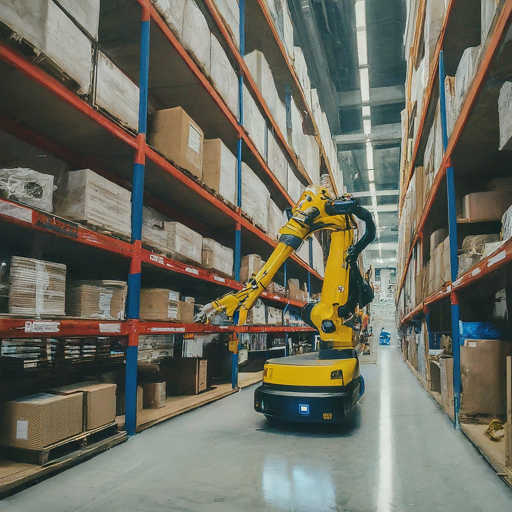
Hack 4: Warehouse and Inventory Optimization
AI-powered warehouse management systems (WMS) optimize inventory levels, picking processes, and storage layouts, ensuring that goods are stored and retrieved in the most efficient manner. Benefits
- Reduced Handling Time: Optimized picking processes minimize the time required to locate and retrieve items, speeding up order fulfillment.
- Optimized Storage: AI algorithms can determine the best storage locations for items based on factors such as demand frequency and item size, maximizing warehouse space utilization.
- Improved Accuracy: Automated systems reduce the likelihood of human errors in inventory management, ensuring higher accuracy in order fulfillment. Real-World Example Schnuck Markets, a grocery retailer, implemented an AI-powered WMS to optimize its warehouse operations. The system helped the company reduce picking times and improve inventory accuracy, resulting in faster order fulfillment and increased customer satisfaction. How DeepFabric Can Help DeepFabric offers advanced warehouse management solutions that leverage AI to optimize every aspect of warehouse operations. With DeepFabric, 3PLs can:
- Optimize Storage Layouts: Use AI algorithms to determine optimal storage locations for items, maximizing space utilization.
- Enhance Picking Efficiency: Implement AI-driven picking strategies that reduce handling times and improve order accuracy.
- Real-Time Inventory Management: Maintain accurate, real-time inventory records to streamline operations and reduce errors. 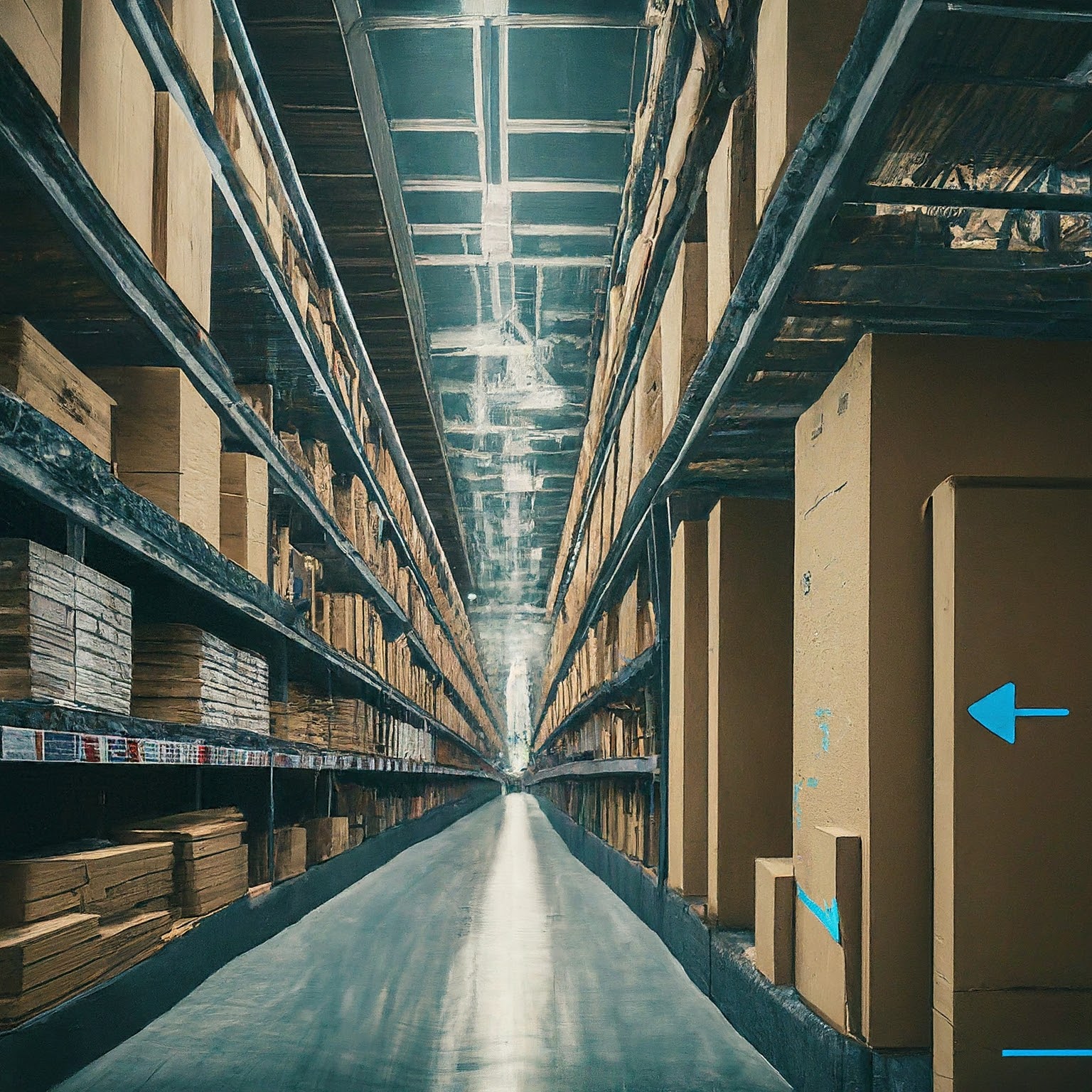
Hack 5: Real-time Monitoring and Predictive Maintenance
The use of IoT devices and AI algorithms for real-time monitoring and predictive maintenance is a game-changer for 3PLs. These technologies enable continuous monitoring of vehicles and equipment, predicting and preventing breakdowns before they occur. Benefits
- Reduced Downtime: Predictive maintenance helps avoid unexpected breakdowns, ensuring that vehicles and equipment are always operational.
- Cost Savings: By addressing maintenance issues proactively, 3PLs can reduce repair costs and extend the lifespan of their assets.
- Increased Reliability: Real-time monitoring ensures that vehicles and equipment are in optimal condition, improving overall reliability and service quality. Real-World Example DHL uses IoT and AI technologies for real-time monitoring and predictive maintenance of its fleet. The system continuously analyzes data from sensors installed on vehicles, predicting potential issues and scheduling maintenance proactively, thereby reducing downtime and maintenance costs. How DeepFabric Can Help DeepFabric’s IoT and AI capabilities can be applied to monitor and maintain transportation equipment in real-time. By leveraging sensors and advanced analytics, DeepFabric can:
- Predict Maintenance Needs: Analyze data from vehicle and equipment sensors to identify potential issues before they lead to breakdowns.
- Schedule Maintenance Proactively: Plan maintenance activities based on predictive insights, minimizing downtime and repair costs.
- Improve Asset Lifespan: Ensure that vehicles and equipment are maintained in optimal condition, extending their useful life and enhancing reliability. 
Conclusion
The integration of AI and ML into transportation operations offers 3PL providers a transformative opportunity to achieve unprecedented levels of efficiency, cost savings, and customer satisfaction. By leveraging predictive analytics, dynamic routing, autonomous vehicles, warehouse optimization, and real-time monitoring, 3PLs can navigate the complexities of modern logistics with greater precision and agility. As the logistics industry continues to evolve, the adoption of AI and ML technologies will become increasingly essential for 3PLs striving to stay competitive and meet the growing demands of their customers. Embracing these optimization hacks today will pave the way for a smarter, more efficient, and more sustainable future in logistics.
Call-to-Action
Are you ready to transform your 3PL transportation operations with AI and ML? Contact us today to learn how our cutting-edge solutions can help you achieve unparalleled efficiency and cost savings. Share your thoughts in the comments below and let us know how AI and ML are impacting your logistics operations.
Discussion