
Top 5 AI and ML Hacks to Ultra-Optimize Warehouse Operations
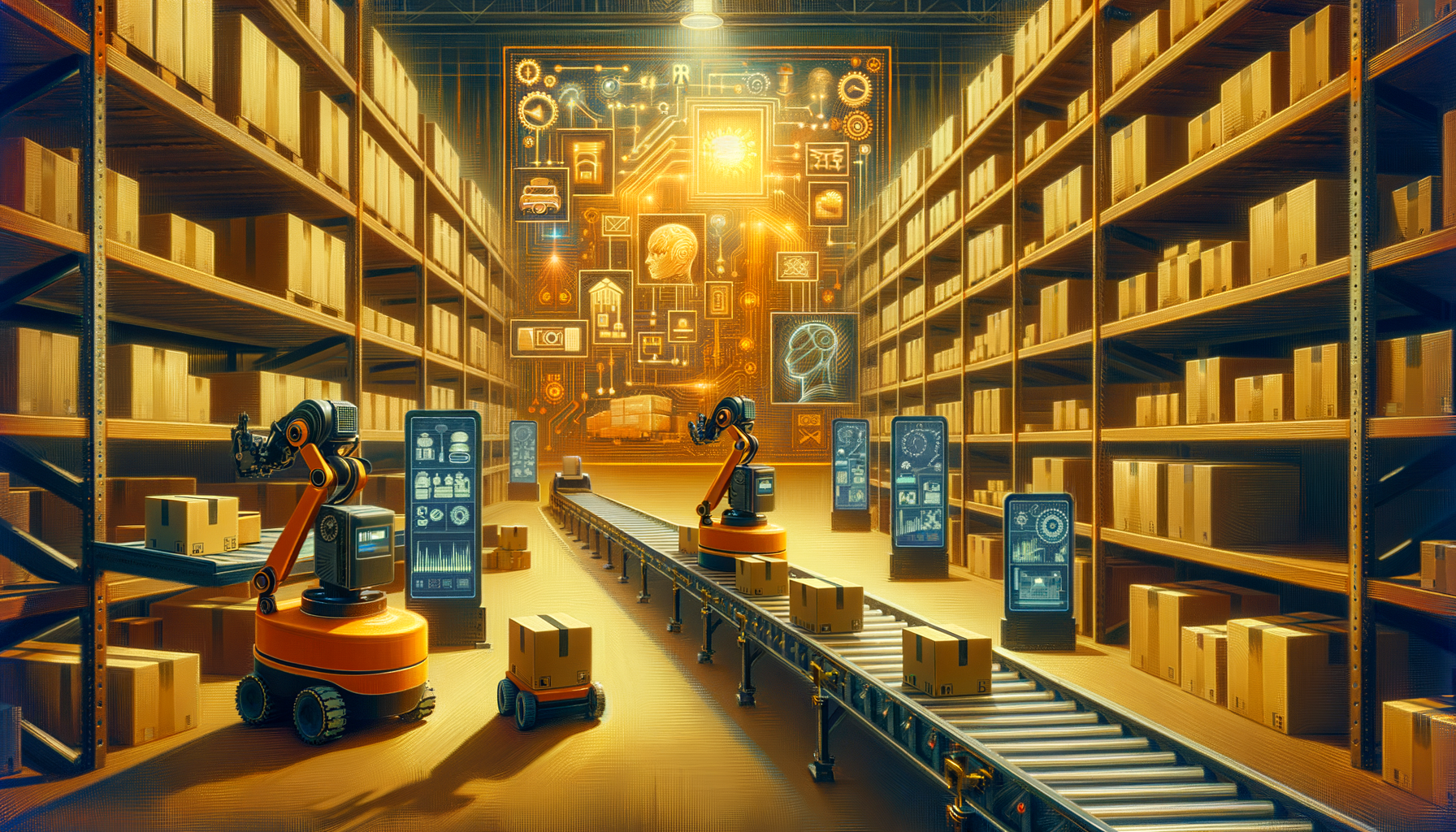
In today's fast-paced business environment, efficiency and precision are paramount for warehouse operations. The integration of Artificial Intelligence (AI) and Machine Learning (ML) into warehouse management systems is revolutionizing the way businesses handle inventory, manage logistics, and optimize their supply chains. These advanced technologies are not just enhancing productivity but also driving significant cost savings and operational improvements. In this blog post, we will explore the top 5 AI and ML optimization hacks that can ultra-optimize warehouse operations and how DeepFabric can help implement these solutions.
Predictive Analytics for Demand Forecasting
What is Predictive Analytics for Demand Forecasting?
Predictive analytics involves using historical data, statistical algorithms, and machine learning techniques to identify the likelihood of future outcomes based on past data. In the context of warehouse operations, predictive analytics can be used for demand forecasting, helping businesses anticipate customer demand accurately.
Benefits of Predictive Analytics
- Inventory Optimization: By predicting demand more accurately, businesses can maintain optimal inventory levels, reducing both overstock and stockouts.
- Cost Reduction: Minimizing excess inventory and avoiding stockouts reduce storage costs and lost sales.
- Improved Customer Satisfaction: Meeting customer demand promptly enhances customer satisfaction and loyalty.
Real-World Examples
- https://corporate.walmart.com/: Walmart uses predictive analytics to forecast demand and optimize its inventory levels across thousands of stores globally. This has helped the retail giant reduce costs and improve customer satisfaction.
- https://www.aboutamazon.com/: Amazon leverages advanced machine learning algorithms to predict customer demand, manage inventory, and streamline its supply chain operations.
How DeepFabric Can Help
DeepFabric offers advanced predictive analytics solutions that integrate seamlessly with your existing warehouse management systems. By utilizing DeepFabric's AI-driven tools, you can analyze historical sales data, market trends, and other relevant factors to accurately forecast demand. This helps in maintaining optimal inventory levels, reducing costs, and improving customer satisfaction. 
Automated Guided Vehicles (AGVs) and Robotics
What are AGVs and Robotics?
Automated Guided Vehicles (AGVs) are portable robots that follow defined paths or use sensors to navigate autonomously within a warehouse. Robotics in warehousing includes various types of robots designed to assist with picking, packing, and sorting tasks.
Benefits of AGVs and Robotics
- Increased Efficiency: AGVs and robots can operate 24/7 without fatigue, significantly speeding up warehouse operations.
- Reduced Labor Costs: Automation reduces the need for manual labor, lowering overall labor costs.
- Enhanced Accuracy: Robots can perform repetitive tasks with high precision, reducing errors in picking and packing.
Case Studies
- https://www.ocadogroup.com/: Ocado, a UK-based online grocery retailer, uses a fleet of robots to automate its warehouse operations. These robots can pick and pack orders with remarkable speed and accuracy.
- https://www.zappos.com/: Zappos utilizes Kiva robots (now Amazon Robotics) to enhance its picking and packing processes, resulting in faster order fulfillment and improved efficiency.
How DeepFabric Can Help
DeepFabric provides robust solutions for integrating AGVs and robotics into your warehouse operations. Our platform supports the deployment and management of these automated systems, ensuring seamless integration with your existing workflows. By leveraging DeepFabric's technology, you can enhance operational efficiency, reduce labor costs, and achieve higher accuracy in your warehouse processes. 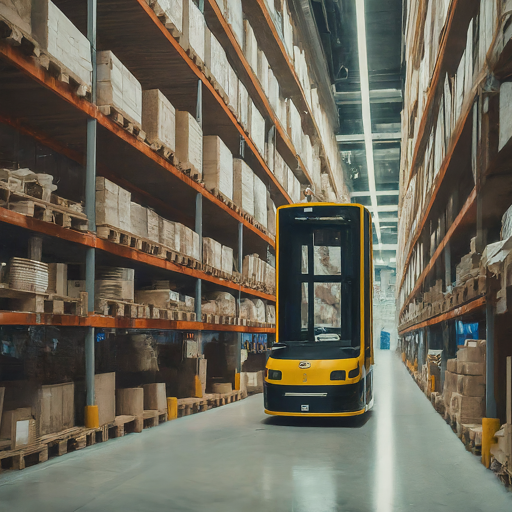
Smart Inventory Management
Features and Functionalities
Smart inventory management systems leverage AI and ML to provide real-time tracking of inventory levels, locations, and conditions. These systems use sensors, data analytics, and cloud computing to ensure seamless inventory management.
Benefits of Smart Inventory Management
- Real-Time Visibility: Businesses can track inventory in real-time, ensuring accurate stock levels and timely replenishment.
- Reduced Shrinkage: AI-driven systems can detect and prevent inventory shrinkage due to theft, damage, or misplacement.
- Enhanced Decision-Making: Data analytics provide valuable insights for making informed inventory management decisions.
Implementation Tips
- Integrate with Existing Systems: Ensure that the smart inventory management system can integrate seamlessly with existing warehouse management systems (WMS) and enterprise resource planning (ERP) software.
- Train Staff: Proper training is essential to ensure that staff can effectively use the new system and leverage its full capabilities.
- Continuous Monitoring: Regularly monitor system performance and make necessary adjustments to optimize inventory management.
Examples of Software/Tools
- https://www.fishbowlinventory.com/: Fishbowl offers advanced inventory management solutions that integrate with various accounting and e-commerce platforms.
- https://www.netsuite.com/portal/home.shtml: NetSuite provides a comprehensive cloud-based inventory management system with real-time visibility and control over inventory.
How DeepFabric Can Help
DeepFabric's smart inventory management solutions provide real-time tracking and analytics to optimize your inventory levels. Our platform integrates with various WMS and ERP systems, ensuring seamless data flow and accurate inventory management. With DeepFabric, you can reduce shrinkage, improve decision-making, and enhance overall inventory control. 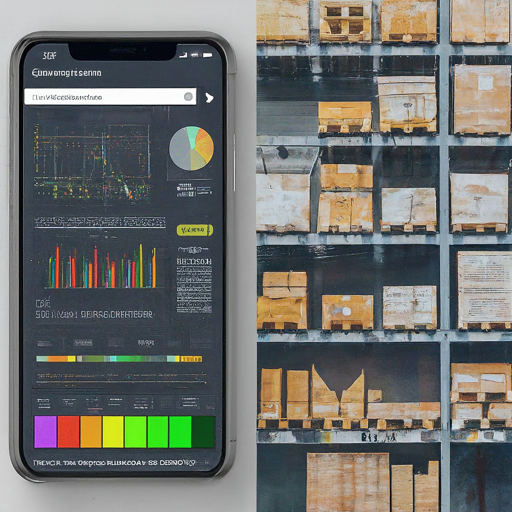
Route Optimization
Explanation of Algorithms
Route optimization involves using AI algorithms to determine the most efficient routes for picking and packing within a warehouse. These algorithms analyze various factors such as item locations, order priority, and travel paths to minimize travel time and maximize efficiency.
Benefits of Route Optimization
- Reduced Travel Time: Optimized routes minimize the distance and time required to pick and pack orders, speeding up order fulfillment.
- Increased Productivity: Workers can complete more orders in less time, boosting overall productivity.
- Cost Savings: Reduced travel time leads to lower labor costs and improved resource utilization.
Examples of Software/Tools
- https://www.zebra.com/: Zebra offers advanced solutions for route optimization, including mobile computers and software that streamline warehouse operations.
- https://www.logistiview.com/: LogistiVIEW provides augmented reality and AI-powered solutions for optimizing warehouse picking and packing routes.
How DeepFabric Can Help
DeepFabric offers sophisticated route optimization tools that leverage AI to determine the most efficient picking and packing routes. By integrating our solutions, you can minimize travel time within your warehouse, increase productivity, and reduce operational costs. Our platform ensures that your warehouse staff can complete more orders accurately and efficiently. 
Predictive Maintenance for Equipment
How Predictive Maintenance Works
Predictive maintenance uses AI and ML to analyze data from sensors installed on warehouse equipment. By monitoring equipment conditions and performance, predictive maintenance systems can anticipate failures before they occur and schedule maintenance accordingly.
Benefits of Predictive Maintenance
- Reduced Downtime: Predictive maintenance minimizes unexpected equipment failures, reducing downtime and ensuring smooth operations.
- Extended Equipment Lifespan: Regular maintenance based on predictive insights can extend the lifespan of warehouse equipment.
- Cost Savings: Preventing major equipment failures reduces repair costs and improves overall efficiency.
Case Studies
- https://www.siemens.com/: Siemens uses predictive maintenance to monitor its manufacturing equipment, resulting in significant cost savings and reduced downtime.
- https://corporate.ford.com/: Ford employs predictive maintenance to ensure the reliability of its manufacturing equipment, improving production efficiency and reducing costs.
How DeepFabric Can Help
DeepFabric's predictive maintenance solutions utilize AI and ML to monitor the health and performance of your warehouse equipment. By analyzing sensor data, our platform can predict potential failures and schedule maintenance proactively. This helps in reducing downtime, extending equipment lifespan, and lowering repair costs, ensuring continuous and efficient warehouse operations. 
Conclusion
The integration of AI and ML technologies in warehouse operations offers transformative potential for businesses looking to enhance efficiency, reduce costs, and improve overall productivity. By leveraging predictive analytics, AGVs and robotics, smart inventory management, route optimization, and predictive maintenance, warehouses can achieve unprecedented levels of optimization. As AI and ML continue to evolve, the opportunities for further advancements in warehouse operations are boundless. For businesses ready to embrace these technologies, the journey towards ultra-optimized warehouse operations begins with a strategic approach, proper implementation, and continuous improvement. Are you ready to transform your warehouse operations with AI and ML? Contact us today to schedule a demo and discover how our advanced solutions can help you achieve unparalleled efficiency and productivity. Subscribe to our newsletter for more insights and updates on the latest trends in warehouse optimization.
Discussion