
Crafting the Perfect 3PL Contract with AI: 5 Clear-Cut Steps

In today's fast-paced logistics industry, leveraging artificial intelligence (AI) is no longer a luxury but a necessity. As third-party logistics (3PL) providers strive to meet ever-growing demands, the ability to craft precise, efficient, and customer-centric contracts can set a business apart. AI offers a powerful suite of tools that can streamline the contract creation process, ensuring that agreements are tailored to the specific needs of each customer. In this blog post, we'll guide you through five clear-cut steps to create the perfect contract with a new customer using AI, along with some pro-tips for utilizing DeepFabric's tools. Step 1: Conduct a Thorough Needs Assessment and Data Collection The first step in crafting an optimal 3PL contract is to conduct a thorough needs assessment and data collection. This step ensures you fully understand the customer's logistics requirements, pain points, and business objectives. Action Items:
- Analyze Customer Communications:
- Gather Detailed Requirements:
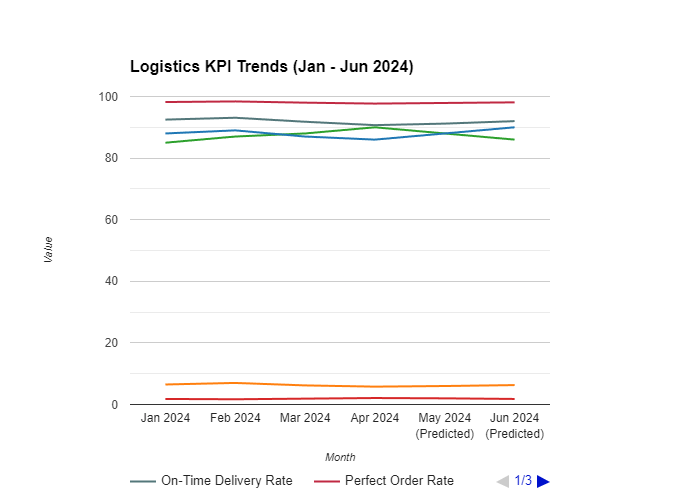
- Implement NLP: Pro-Tip: Leverage DeepFabric's knowledge, email reader, and data extractor plugins to analyze customer communications and extract valuable insights. For instance, the email reader plugin can automatically categorize and summarize key points from customer emails, saving you hours of manual review. Outcome: Gain a deep understanding of the customer’s logistics needs, pain points, and business goals, which will form the foundation of your contract.  Step 2: Define Clear Performance Metrics and KPIs Once you have a thorough understanding of the customer's needs, the next step is to define clear performance metrics and Key Performance Indicators (KPIs). These metrics will ensure accountability and transparency throughout the contract's duration. Action Items:
- Identify Critical KPIs:
- Collaborate with the Customer:
- Establish Measurable Metrics:
Pro-Tip: Use DeepFabric's predictive analytics plugin to measure and analyze KPIs. This tool can simulate different scenarios and predict how various KPIs will impact overall performance, helping you set realistic and achievable targets.
Outcome: Ensure accountability and transparency with well-defined performance metrics that align with the customer’s business goals.
 Step 3: Draft the Contract with AI Assistance
With the customer’s needs and performance metrics clearly defined, the next step is to draft the contract. AI can significantly streamline this process, ensuring that the contract is comprehensive and tailored to specific requirements.
Action Items:
Step 3: Draft the Contract with AI Assistance
With the customer’s needs and performance metrics clearly defined, the next step is to draft the contract. AI can significantly streamline this process, ensuring that the contract is comprehensive and tailored to specific requirements.
Action Items: - Draft the Initial Contract:
- Customize the Contract:
- Include Standard Clauses and Compliance: Pro-Tip: Utilize DeepFabric AIs to automate the inclusion of frequently used clauses and legal requirements, reducing the time needed for manual drafting and ensuring consistency across contracts. Outcome: Create a detailed and clear contract that outlines roles, responsibilities, and expectations, laying the groundwork for a successful partnership. Step 4: Perform Risk Assessment and Mitigation Risk management is a critical aspect of any contract. The ability to foresee potential issues and address them proactively can save time, money, and relationships down the line. Action Items:
- Analyze Similar Contracts:
- Identify Potential Risks:
- Develop Mitigation Strategies: Pro-Tip: Use DeepFabric's data extractor to pull data from similar contracts and identify effective risk mitigation strategies. This tool can help you quickly gather and analyze relevant information, ensuring that your contract is robust and resilient. Outcome: Develop strategies to mitigate risks, ensuring a resilient and reliable contract that protects both parties. 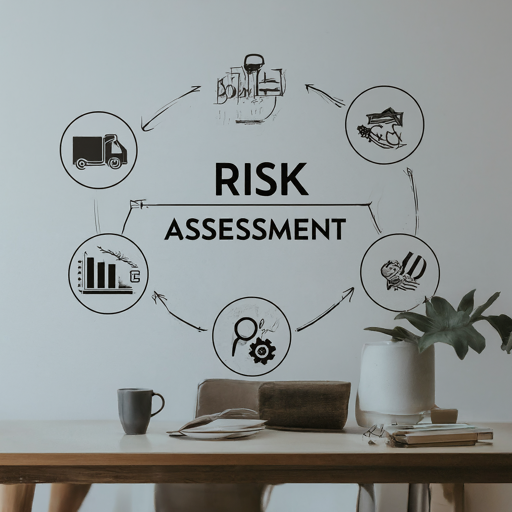 Step 5: Finalize the Contract with Customer Review and Approval The final step is to present the draft contract to the customer, facilitate negotiations, and finalize the agreement. This step ensures that both parties are fully aligned and committed to the terms of the contract. Action Items:
- Present the Draft Contract:
- Facilitate Negotiation:
- Incorporate Feedback:
- Finalize with Digital Signatures: Pro-Tip: Use DeepFabric’s AI to facilitate negotiations by providing real-time suggestions and tracking changes seamlessly. This can make the negotiation process smoother and more efficient. Outcome: Finalize a mutually agreed-upon contract that is clear, comprehensive, and ready for execution, setting the stage for a successful business relationship. 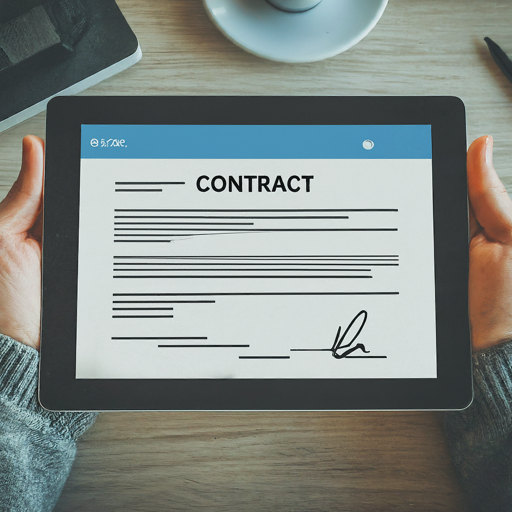 Conclusion: By following these five clear-cut steps and leveraging AI, 3PL providers can craft optimal contracts that are comprehensive, transparent, and tailored to meet the specific needs of their customers. This approach ensures that the contract creation process is efficient, thorough, and results in a strong foundation for a successful business relationship. In today's competitive landscape, utilizing AI for contract creation is not just an advantage but a necessity. DeepFabric's suite of tools can help streamline this process, making it easier to understand customer needs, define performance metrics, draft and customize contracts, perform risk assessments, and finalize agreements efficiently. As you integrate AI into your contract creation process, you'll find that it not only saves time and reduces errors but also enhances the overall quality and effectiveness of your contracts. By adopting these practices, you can ensure that your 3PL services are aligned with customer expectations, mitigate potential risks, and build stronger, more resilient partnerships. Remember, the key to successful contract creation lies in understanding your customer, defining clear metrics, leveraging AI for drafting and risk assessment, and ensuring thorough review and approval. With these steps and the right tools, you can craft contracts that not only meet but exceed customer expectations, driving growth and success for your logistics business.
Discussion