
Autofocus Productivity System: Simplify and Streamline Your Tasks
Introduction
Have you ever felt overwhelmed by your never-ending to-do list? Do you find it challenging to stay focused and productive amidst all the distractions? If so, you're not alone. Many individuals, including professionals, students, and busy individuals, struggle to manage their tasks effectively. However, there is a solution that can help you overcome these productivity roadblocks - the Autofocus system.
Origins and Philosophy of Autofocus
The Autofocus system was created by Mark Forster, a renowned productivity expert. With a deep understanding of the challenges faced by individuals trying to manage their tasks, Forster designed the Autofocus system to be flexible and intuitive. Unlike other productivity methods, Autofocus emphasizes adaptability and simplicity, making it an attractive option for anyone seeking a straightforward approach to boost their productivity.
The Basics of the Autofocus System
At its core, the Autofocus system revolves around a simple concept: you work on tasks for as long as you feel like it, then mark them as done or carry them forward. Unlike traditional to-do lists that often become overwhelming, the Autofocus system allows you to focus on one task at a time. This approach eliminates the stress of constantly prioritizing and reorganizing your tasks, giving you the freedom to work on what feels right in the moment. To implement the Autofocus system, follow these basic steps:
- Start with an empty task list.
- Scan through the list, selecting the first task that catches your attention.
- Work on the task for as long as you want, without any set time limits.
- Once you feel the task is complete or you no longer wish to work on it, mark it as done.
- Move on to the next task that captures your attention and repeat the process.
Why Autofocus Works
The Autofocus system is not only intuitive but also backed by psychological and practical reasons that make it an effective productivity tool. Here's why Autofocus works:
- Keeps Motivation High: By allowing you to choose tasks based on your current interest and energy levels, Autofocus keeps your motivation high throughout the day. You'll find yourself more engaged and enthusiastic about completing your tasks.
- Reduces Resistance: Traditional task management systems often lead to resistance and procrastination. With Autofocus, you have the freedom to work on what feels right at any given moment, reducing resistance and making it easier to tackle your tasks head-on.
- Promotes Focus: By focusing on one task at a time, Autofocus eliminates multitasking and helps you maintain your concentration. This increased focus allows you to complete tasks more efficiently and with better quality.
Step-by-Step Guide to Implementing Autofocus
Now that you understand the benefits of the Autofocus system, here's a step-by-step guide to help you implement it:
- Setting Up Your Task List: Start with a blank page or a digital document to create your task list.
- Capturing Tasks: Write down all the tasks that come to mind, without any specific order or priority.
- Scanning and Selecting: Scan through the list and select the first task that catches your attention.
- Working on Tasks: Spend as much time as you want on the selected task, making progress and marking it as done when appropriate.
- Moving Forward: Once you're satisfied with a task, move on to the next one that captures your attention, repeating the process.
Adapting Autofocus to Various Lifestyles
One of the strengths of the Autofocus system is its adaptability to different lifestyles and work environments. Here are a few ways you can customize the Autofocus system to fit your unique needs:
- Time Blocking: If you prefer a more structured approach, consider incorporating time blocking into your Autofocus routine. Allocate specific time periods for different tasks, ensuring a balance between focus and flexibility.
- Categorizing Tasks: If you have a diverse range of tasks, categorize them based on urgency, importance, or context. This allows you to prioritize effectively and ensures that no critical tasks slip through the cracks.
- Personalizing Your Workspace: Create a dedicated workspace that aligns with your preferences and motivates you to stay focused. Whether it's a minimalist desk setup or a cozy corner with inspirational quotes, find what works best for you.
Tools to Enhance Autofocus
While the Autofocus system primarily relies on simplicity and pen-and-paper, there are various tools that can enhance your experience. Consider the following options:
- www.time.dev http://Time.dev offers an easy path to implementing every step in Autofocus. From easily adding tasks to time blocking using 3 clicks, http://Time.dev can help you focus on and efficiently complete the tasks that matter. 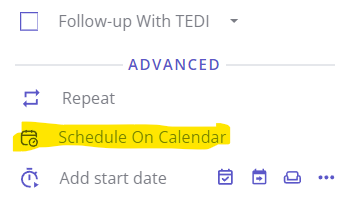
- Digital Task Managers: Apps like Todoist, Microsoft To Do, or TickTick can help you digitize your Autofocus task list, providing additional features such as reminders and recurring tasks.
- Analog Notebooks: Opt for a notebook with ample writing space and a layout that suits your preferences. Popular choices include the Leuchtturm1917 and Moleskine notebooks.
- Pomodoro Technique Apps: Combine the Autofocus system with the Pomodoro Technique using apps like Forest or Tomato Timer. These apps can help you stay focused by breaking your work into intervals with short breaks.
Common Challenges and Solutions
While the Autofocus system offers simplicity and flexibility, you may encounter some common challenges along the way. Here are a few solutions to help you overcome them:
- Task Overload: If your task list becomes overwhelming, take a step back and prioritize your tasks. Focus on the most critical ones first and consider delegating or eliminating non-essential tasks.
- Lack of Focus: If you find it challenging to maintain focus, try incorporating mindfulness techniques into your Autofocus routine. Take short breaks to meditate or practice deep breathing exercises to clear your mind and regain focus.
- Perfectionism: Don't let perfectionism hinder your progress. Remember that the Autofocus system is designed to keep you moving forward. Embrace the concept of "good enough" and avoid getting stuck on minor details.
Tips for Mastering Autofocus
To make the most out of the Autofocus system, consider these tips and best practices:
- Prioritize Tasks: While Autofocus allows you to choose tasks freely, it's still essential to prioritize critical tasks to ensure they receive proper attention.
- Manage Larger Projects: Break down larger projects into smaller, actionable tasks. This approach helps prevent overwhelm and provides a clear roadmap for completing complex projects.
- Experiment and Adapt: Don't be afraid to experiment and make adjustments to find what works best for you. Everyone's preferences and work styles are different, so feel free to adapt the Autofocus system to suit your needs.
The Evolution of Autofocus
Over time, variations of the Autofocus system have emerged, catering to specific preferences and requirements. Two notable variations are SuperFocus and Final Version. SuperFocus introduces additional structure by dividing tasks into "critical" and "non-critical" categories. Final Version, on the other hand, emphasizes reviewing tasks and eliminating unnecessary ones. While these variations offer alternative approaches, they share the same core principles as the original Autofocus system.
Conclusion
The Autofocus system presents a refreshing and effective approach to task management, allowing you to simplify and streamline your to-do list. By implementing this flexible and intuitive system, you can boost your productivity and regain control over your tasks. So why not give it a try? Start with Autofocus today and experience the benefits for yourself. Have you tried the Autofocus system? Share your experiences and insights in the comments below. Let's embark on this productivity journey together!
Similar Productivity Systems
If you're interested in exploring another effective task prioritization method to address challenges Autofocus addresses, check out our https://time.dev/blog/posts/eisenhower-matrix-prioritization-strategy, which complements the 1-3-5 system by helping you categorize tasks based on their urgency and importance.
Discussion